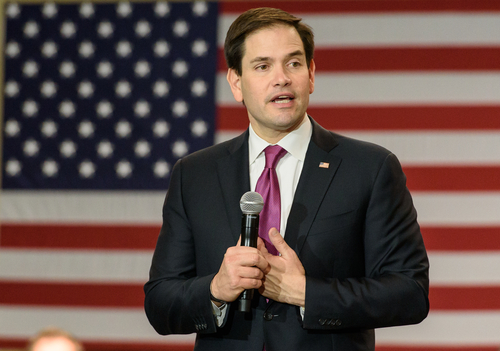
Rubio’s early lead in the evangelical “invisible primary” is real enough to matter now—and fragile enough to flip fast.
Story Snapshot
- Politico frames an ongoing evangelical split with Marco Rubio holding an early edge over JD Vance [2]
- Polling snapshots show Rubio competitive or ahead among Republicans before any formal campaigns [5]
- Media and elite signaling are shaping perceptions long before votes, classic invisible primary dynamics [6]
- The candidate who translates pulpit ties into ground game wins the calendar—not just the headline [2]
Evangelical Leaders Are Already Sorting, And Rubio Is Out Front
Politico reports that evangelical actors are lining up in an early contest between Marco Rubio and JD Vance, with Rubio holding an initial advantage in church networks and conservative social circles [2]. That framing matters because white evangelical Protestants have consistently defined Republican primary outcomes for a decade. Early lean does not equal lock, but it signals donor doors opening, sermon-stage introductions multiplying, and field organizers getting cell numbers answered. Those are the quiet advantages that turn into precinct captains by winter caucus season.
Polling snapshots echo the narrative’s contours. A survey summarized by the Jerusalem Post shows Rubio outpacing Vance among Republican primary voters during May 4–7 field dates, suggesting he can lead a national conversation before anyone files official papers [5]. Local television coverage similarly describes Rubio and Vance as the pair to watch in the post‑Trump Republican struggle, reinforcing the idea that these two are setting the lane choices for social conservatives months in advance of formal declarations [3]. Polls are thermometers, not thermostats—but early heat attracts the oxygen of money and endorsements.
Invisible Primary Rules: Endorsements, Access, And Credibility
The invisible primary rewards candidates who convert relationships into infrastructure. Political reporting out of local affiliates and national desks frames Rubio and Vance as competing models for the party’s future, which shapes who gets invited to pastors’ roundtables and who headlines pro‑life galas [6]. Conservative common sense applies: endorsements that represent congregations and activist email lists are not mere symbolism; they are turnout machines. If Rubio keeps consolidating these ties, he banks a cushion that reduces risk when the media cycle turns hostile in late-year debates.
Media emphasis on an evangelical edge does not erase Vance’s viability. Coverage across platforms places Vance inside the top tier and signals that he commands serious attention from primary voters, which keeps donors and organizers engaged [3]. A frontrunner aura cuts both ways in conservative politics: it brings scrutiny about policy consistency and proven results, but it also confers an expectation of staying power. If Vance deepens relationships with church coalitions in the Midwest and South, he can quickly transform broad name recognition into pulpit‑adjacent leverage that narrows Rubio’s advantage.
What Will Actually Decide The Evangelical Primary
Three levers will decide whether Rubio’s early edge hardens into a delegate path. First, abortion policy specificity: base voters want clear guardrails that protect unborn life while withstanding Democratic attacks in suburban districts. Second, parental rights and school governance: the candidate who offers practical protections for faith-based families wins Wednesday night small groups. Third, foreign policy through a moral lens: articulating peace through strength in ways that reassure churchgoing voters about Israel, persecution abroad, and border security creates trust that travels from sanctuary to ballot box.
He should just run in GOP primary. Theres a good chance vance/rubio run and split magaslop vote, along with a few other minor candidates. So he might only need like a 40% plurality in the GOP.
— NOT Corey "J." Conners (@notrichrdspncr) May 20, 2026
Rubio’s profile aligns with these levers as portrayed in current reporting, but sustaining an edge requires ground truth beyond headlines [2]. Vance’s path runs through authenticity on cultural fights and an economic pitch that resonates with churchgoing blue‑collar families. Conservative voters reward conviction tied to measurable outcomes: school board wins, sanctuary support networks, adoption and foster reforms, and religious liberty defenses that survive court tests. If either campaign translates message into volunteer density at the precinct level by late fall, the evangelical primary will be over before Iowa hears its first snow crunch.
How To Read The Next Six Months
Ignore performative social clips and track three metrics that actually predict evangelical momentum. Watch who dominates mid‑size pastors’ conferences where endorsement letters are collected quietly. Watch small‑dollar donation velocity after faith‑focused speeches; it signals message‑market fit. Watch early-state church‑adjacent staffing, especially bilingual outreach in Florida and Texas, where evangelical growth intersects with Hispanic conservatives. Reporting today gives Rubio the benefit of first mover status [2], while polling snapshots grant him national credibility [5]. The candidate who owns those three metrics will own Super Tuesday’s map.
Sources:
[2] Web – The evangelical primary has already started. Rubio has the early …
[3] Web – Vance or Rubio? 2028 presidential ticket speculation grows at White …
[5] Web – Poll: Marco Rubio would beat JD Vance in 2028 presidential primaries
[6] Web – Vance or Rubio? 2028 presidential ticket speculation grows at White …