
As thousands in Beirut chanted “death to America, death to Israel” for Iran’s dead leader, Hezbollah’s chief vowed to end a ceasefire and confront “criminal” U.S.–Israeli aggression, raising real questions about how far this terror group can still go.
Story Snapshot
- Hezbollah supporters massed in Beirut to mourn Khamenei and denounce America and Israel.
- Naim Qassem praised Khamenei as a “martyr” and blamed the United States and Israel for his killing.
- Qassem claimed Hezbollah is ending a 15‑month truce and will “confront the aggression.”
- Reports say Hezbollah is weakened by Israeli strikes and risks dragging Lebanon into another war.
Beirut Rally Turns Grief Into Anti-American Fury
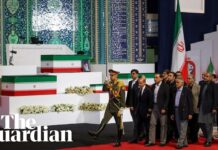
Thousands of Hezbollah supporters packed Beirut’s southern suburbs to mourn Iran’s late Supreme Leader, Ali Khamenei. The crowd waved Hezbollah and Iranian flags, shouted slogans, and chanted “death to America, death to Israel,” turning a funeral event into a loud show of loyalty to Tehran’s agenda. This part of Beirut is firmly under Hezbollah’s control, and such rallies show how deeply Iran’s influence still runs there. For American readers, this is a reminder that our enemies are cheering the death of our policies, not our values.
Hezbollah leader Naim Qassem used the rally and public statements to frame Khamenei’s killing as “criminal American and Zionist aggression.” He described Khamenei as a “martyr” who left behind “tens of millions of followers,” painting the Supreme Leader as a hero rather than the hardline sponsor of terror that Western governments know him to be. This language aims to turn anger at the United States and Israel into long‑term backing for Iran’s proxy network, including Hezbollah, Hamas, and other armed groups that reject peace with Israel and stability in the region.
Qassem’s Promise to “Confront Aggression” and End the Truce
In his televised address, Qassem pledged that Hezbollah would “undertake our duty of confronting the aggression” and would not leave “the field of honor and resistance.” He claimed Israel had broken the November 2024 truce over 10,000 times and said Hezbollah would keep using rockets and drones until its goals are met. He also announced that Hezbollah was ending its 15‑month ceasefire, casting this shift as an “existential defense” of Lebanon rather than a choice that could drag civilians into another destructive war.
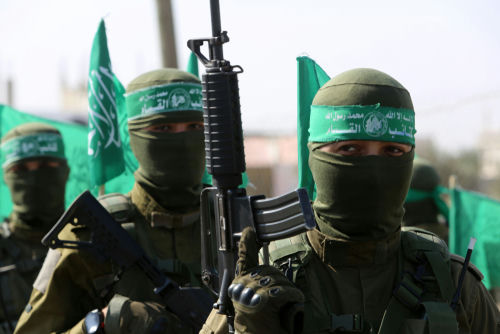
At the same time, other reporting notes that Hezbollah has not launched major new attacks since U.S. and Israeli strikes on Iran began, despite Qassem’s fiery words. Analysts say the group is “badly weakened” by near‑daily Israeli strikes and has lost key commanders and local allies, making it harder to turn big threats into real action. This mix of harsh rhetoric and limited follow‑through fits a pattern seen before, where Iran’s proxies talk about revenge but hold back when they face strong deterrence and real risk to their remaining forces.
Iran’s New Leader Tightens the Tie With Hezbollah
Iran’s new Supreme Leader, Mojtaba Khamenei, sent Qassem a formal message that carried important political signals. He thanked Hezbollah for its condolences and stressed that Iran and Hezbollah are fighting a “single battle” against a common enemy. He praised Qassem’s “wisdom” and “courage” and promised that Iran’s policy would stay on “the path of the late imam and martyred commanders,” meaning continued support for armed resistance against Israel and pressure on the United States.
This letter underscores that Hezbollah is not just a Lebanese faction but a key piece of Iran’s regional strategy. For American conservatives, that matters because Iran’s proxy model has long relied on groups like Hezbollah to target Israel, threaten U.S. interests, and undermine moderate Arab governments. Even after heavy losses, experts say Iran still views Hezbollah as central to its “strategic depth,” using Lebanon’s territory and civilians as a shield and a launchpad. That approach erodes Lebanese sovereignty and keeps the region unstable.
Lebanon Caught Between Hezbollah and State Authority
Lebanon’s own leaders are pushing back on Hezbollah’s moves. Prime Minister Nawaf Salam and President Joseph Aoun have publicly rejected Hezbollah “dragging” the country into war, warning that its actions risk wider conflict and more destruction for ordinary people. Many Lebanese, including some in Shiite communities, are angry that Hezbollah’s choices have already led to deadly Israeli strikes and waves of displacement. These citizens want a normal life and working state institutions, not endless “resistance” that brings bombs to their neighborhoods.
A large number of people gathered in Lebanon's capital, Beirut, to attend a mourning ceremony for Iran's late Supreme Leader, Ayatollah Ali Khamenei.
Reuters reported that Hezbollah Secretary-General Naim Qassem also addressed the mourners in a televised speech.
Khamenei's… pic.twitter.com/Bbc2vVJ6Mx
— TOLOnews English (@TOLONewsEnglish) July 8, 2026
For Americans who care about strong nations and clear borders, Lebanon’s struggle shows what happens when an armed movement backed by a foreign power grows stronger than the elected government. Hezbollah’s large illegal weapons stockpile and drone program pose a “clear and present danger” to Lebanon and the region. Every time the group acts as Iran’s tool, it weakens its own country’s sovereignty and pushes Israel to respond, keeping the Middle East on a knife’s edge and risking a broader war that could again force U.S. involvement.
Sources:
facebook.com, naharnet.com, youtube.com, english.aawsat.com, reutersconnect.com, timesofisrael.com