
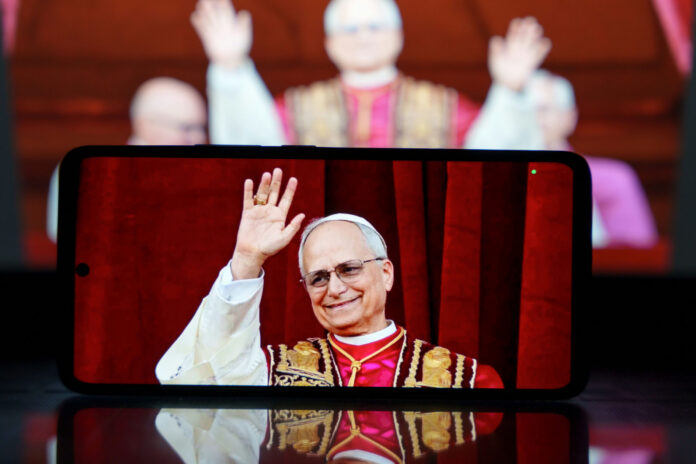
The Pentagon allegedly summoned the Vatican’s top American diplomat to deliver a stark warning: America has the military power to do whatever it wants, and the Catholic Church better fall in line.
An American Pope Caught in the Crosshairs
Pope Leo XIV made history as the first American-born pontiff, yet that distinction now positions him at the center of an unprecedented diplomatic clash with his homeland. His State of the World address to Vatican diplomats in late 2025 struck a nerve in Washington, particularly his criticism of force-based diplomacy and what appeared to be veiled references to the Trump administration’s “Donroe Doctrine,” an updated assertion of unchallenged US power in the Western Hemisphere. The pope’s calls for “just peace” in Ukraine and his opposition to imperialist occupation set the stage for what Vatican insiders would later describe as an extraordinary confrontation.
The January Summons and Alleged Threats
In January 2026, Pentagon officials led by Under Secretary of Defense for Policy Elbridge Colby summoned Cardinal Christophe Pierre, the Vatican’s envoy to the United States, to a closed-door meeting that would reverberate through diplomatic circles. According to multiple reports originating from The Free Press, officials delivered a blunt message: “America has the military power to do whatever it wants in the world. The Catholic Church had better take its side.” Vatican sources who briefed The Free Press characterized the encounter as a “bitter lecture,” with some officials allegedly invoking the 14th-century Avignon Papacy, when French pressure forced papal relocation and submission, as a historical warning of what happens when popes defy powerful nations.
Dueling Narratives and Pentagon Pushback
The Pentagon swiftly disputed the characterization of the meeting, issuing a statement calling reports “highly exaggerated and distorted.” Officials insisted the discussion was respectful and reflected the highest regard for the Holy See. Yet the statement did little to address the core allegation: that American defense officials had warned the Vatican to align with US foreign policy or face consequences. The absence of any public response from either the Vatican or the Trump administration beyond the postponement of the papal visit added to the uncertainty, leaving only anonymous briefings and leaked accounts to fill the void.
A Canceled Visit and Forfeited Soft Power
The most tangible consequence emerged swiftly: Pope Leo XIV canceled his planned July 4, 2026 visit to celebrate America’s 250th anniversary. The symbolic weight of an American pope declining to participate in his homeland’s semiquincentennial speaks volumes about the depth of the rift. Morning Joe panelist Mike Barnicle called the reported intimidation “absurd,” noting that the White House forfeited a major soft power opportunity. “You can’t do everything with bullets and bombs,” Barnicle observed, highlighting how the confrontation undermines American moral standing precisely when global skepticism about US interventions runs high.
Historical Echoes and Modern Power Plays
The alleged invocation of the Avignon Papacy carries particular resonance for anyone familiar with church-state conflicts. From 1309 to 1376, French kings effectively held the papacy hostage in Avignon, demonstrating that even spiritual authority bends under sufficient political pressure. Whether Pentagon officials explicitly referenced this dark chapter remains unconfirmed outside the Morning Joe panel discussion, but the parallel is instructive. The current standoff pits American military supremacy against Vatican moral authority, a contest with no clear precedent in modern US-Vatican relations. The Trump administration’s hard-power focus, combined with its skepticism toward multilateral institutions like NATO, creates a context where such a confrontation becomes plausible, even if the exact details remain disputed.
What This Reveals About American Foreign Policy
The controversy exposes fundamental tensions in how America projects power globally. Pope Leo XIV’s critique of force-based diplomacy resonates with growing concerns about American interventionism, particularly regarding Ukraine. His position advocating dialogue over dominance clashes directly with an administration asserting hemispheric control through the Donroe Doctrine. The reported Pentagon warning, if accurate, suggests an administration unwilling to tolerate dissent even from spiritual leaders, prioritizing alignment over persuasion. This approach may satisfy those who believe American strength requires absolute deference, but it alienates natural allies and validates critics who portray US policy as imperialist. The irony of threatening an American pope to secure compliance speaks to a deeper confusion about whether soft power or hard coercion better serves national interests.
The story, broken by The Free Press in April 2026 and amplified across outlets from Hindustan Times to MSNBC, remains partially unverified, relying on anonymous sources within both the Pentagon and Vatican. Yet the consistency of accounts across ideologically diverse media, combined with the canceled papal visit, lends credibility to the core narrative. Whether the exact quote about military power and church alignment proves accurate, the episode reveals a relationship strained to the breaking point, with implications extending far beyond one postponed trip.
Sources:
Pope cancels visit to the U.S. after Pentagon threatens Vatican: Report – Meidas News