

The United States and Iran stand on the brink of a historic agreement that could end hostilities in the Gulf region within 48 hours. According to sources close to Pakistani mediators facilitating the negotiations, both nations are finalizing a one-page memorandum that would bring an immediate cessation to military operations in the strategic Strait of Hormuz.
Trump Halts Military Operations Pending Deal
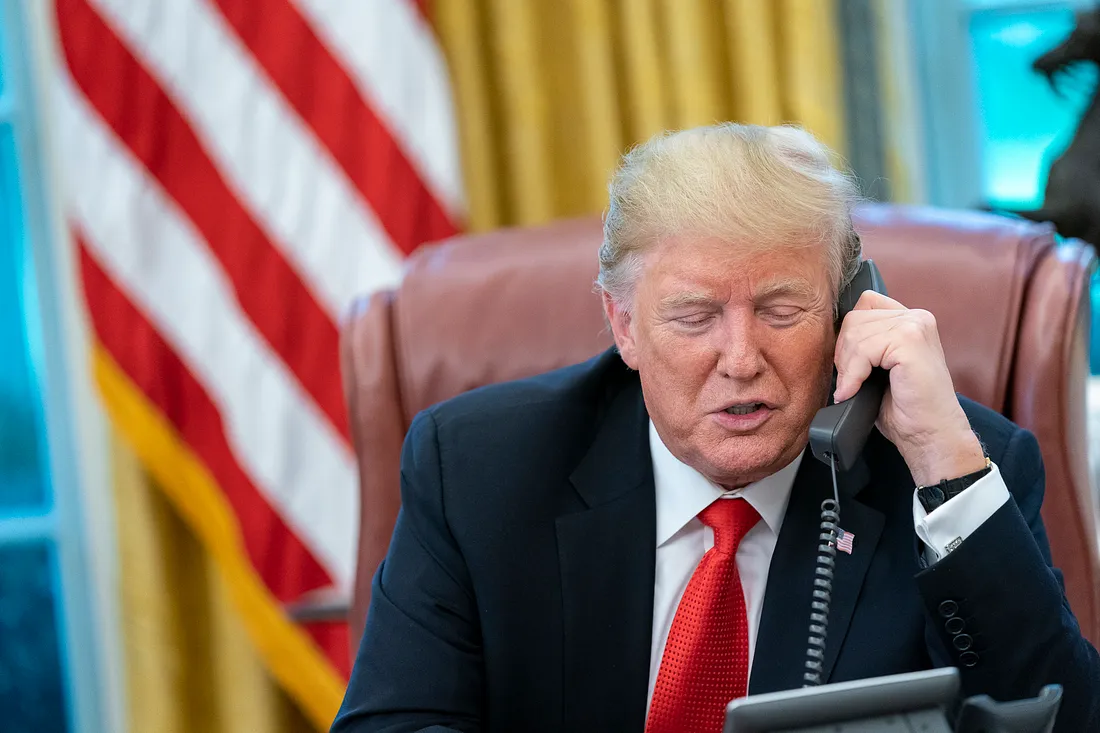
President Donald Trump suspended Operation Project Freedom, the ongoing mission to protect commercial shipping in the Strait of Hormuz, signaling confidence in diplomatic progress. Trump stated that great progress has been made toward a complete and final agreement with Iranian representatives. The timing of this suspension coincides with reports from Pakistani diplomatic sources that negotiators have reached consensus on most key points. American officials now await Iranian responses on several remaining issues, with a deadline set for the next two days.
Pakistan’s Critical Mediation Role
Pakistan has emerged as the crucial intermediary between Washington and Tehran, with sources familiar with the negotiations confirming that talks have advanced beyond initial expectations. The proposed agreement reportedly condenses complex issues into a single-page document, suggesting both sides have made significant concessions to reach this point. The Strait of Hormuz, through which nearly one-fifth of global oil supplies pass, has been the focal point of tensions between American forces protecting international shipping and Iranian military operations in the region.
Strategic Implications for the Gulf
The potential agreement represents a major diplomatic breakthrough after months of escalating military tensions in the Persian Gulf. Commercial shipping companies and international oil markets have closely monitored developments, with insurance rates for vessels transiting the strait reaching historic highs during the conflict. If finalized, the one-page memorandum would mark Trump’s first major foreign policy achievement in de-escalating Middle Eastern conflicts through direct negotiation rather than military pressure.
What Happens Next
The next 48 hours will prove critical as American negotiators await Iranian responses on outstanding points. Diplomatic sources emphasize that while progress has been substantial, several key security provisions remain under discussion. The brevity of the proposed agreement—fitting on a single page—suggests both nations prioritized practical cease-fire arrangements over comprehensive long-term resolutions. Energy markets have already responded positively to news of potential de-escalation, with crude oil futures declining on expectations of restored stability in Gulf shipping lanes.