
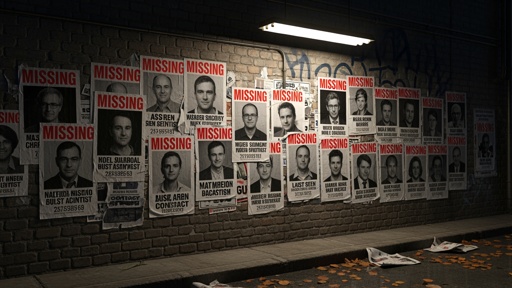
Nine top American scientists and military officials connected to classified nuclear and aerospace programs have vanished or died under mysterious circumstances, igniting fears of coordinated foreign espionage targeting the heart of our national security apparatus.
When Nuclear Secrets Walk Out the Door
The disappearance of General William Neil McCaslin from his New Mexico residence transformed internet chatter into mainstream alarm. McCaslin’s ties to classified Air Force technology programs placed him in a cohort of at least eight other high-level researchers who have vanished or died under circumstances that remain officially unexplained. The proximity to Los Alamos National Laboratory and other sensitive facilities adds weight to speculation that adversarial nations are systematically eliminating individuals who possess knowledge of America’s most guarded technological secrets, from nuclear fusion breakthroughs to zero-point energy research.
Online researchers, led by bloggers like Jerry Thornton, have documented alleged patterns connecting the disappeared to Wright-Patterson Air Force Base in Ohio, a facility with deep ties to aerospace development and UAP research since the Cold War. The narrative gains traction from historical precedent: Los Alamos experienced catastrophic security failures in 1999 and 2000, including the Wen Ho Lee case and the vanishing of hard drives containing nuclear weapons data from multiple nations. Those incidents exposed vulnerabilities that congressional investigators deemed worthy of cabinet-level resignations, yet promised reforms have done little to quiet current fears.
The Skeptic Versus the Pattern Seekers
Harvard astrophysicist Avi Loeb brings measured skepticism to the viral narrative. He acknowledges each disappearance merits investigation but rejects the premise of a coordinated assassination campaign. Loeb argues the common threads linking victims to secret programs naturally raise suspicions, yet no evidence supports orchestrated foul play by foreign intelligence services. His caution mirrors the evidentiary gap plaguing the story: no comprehensive list of the nine cases has emerged with verified details, dates, or proven connections beyond geographic proximity and occupational overlap.
Podcast hosts and online sleuths counter with observations that defy coincidence. They note repeated links to Wright-Patterson, an installation synonymous with classified aerospace development since the alleged Roswell debris arrived in 1947. The researchers point to fusion technology’s dual-use potential for energy independence and weapons development, making scientists in this field irresistible targets for China and Russia. WikiLeaks-released Podesta emails referencing zero-point energy add conspiratorial fuel, suggesting elites possess knowledge withheld from public scrutiny. The absence of FBI or Department of Energy statements addressing the alleged pattern amplifies distrust, feeding narratives of government complicity or incompetence.
Nuclear Vulnerability Redux
The 1999 to 2000 Los Alamos scandals provide a blueprint for understanding current anxieties. Wen Ho Lee, a scientist accused of transferring classified nuclear data to his personal computer, exposed lax oversight that allowed foreign intelligence penetration. Simultaneously, two hard drives containing weapons design data for U.S., Russian, Chinese, and allied arsenals disappeared from a secure vault, possibly during a forest fire evacuation. The disappearance went unreported for weeks, triggering bipartisan outrage and demands for Energy Secretary Bill Richardson’s resignation. Those breaches targeted data, not people, but they established Los Alamos as a symbol of preventable security collapse.
Today’s narrative shifts the threat from stolen hard drives to vanished human assets. Scientists possess knowledge that cannot be erased by firewall updates or vault upgrades. If adversaries have concluded that eliminating experts is more efficient than hacking databases, the implications are chilling. New Mexico and Ohio communities economically dependent on national labs face unsettling questions: Are their neighbors safe? Will top talent flee facilities perceived as targeting zones? The fusion and aerospace sectors already struggle with talent retention; adding existential fear to the recruitment pitch hardly helps.
Evidence Gaps and Political Opportunities
The conspiracy’s migration from obscure YouTube channels to broader discussion reflects a hunger for accountability absent from official channels. No mainstream journalism has verified the nine-case tally or identified all victims by name. The primary sources remain podcasts and blog posts with high virality but low evidentiary standards. Avi Loeb’s refusal to endorse the coordinated-hit theory should carry weight, yet his acknowledgment of mysteries validates the underlying concern: something is happening, even if the explanation lacks the drama conspiracy theorists crave.
Political ramifications could mirror the post-2000 fallout. Bipartisan lawmakers previously united to demand DOE reforms after Los Alamos failures; today’s climate of U.S.-China tension and renewed focus on UAP transparency creates ripe conditions for investigative hearings. The Trump administration’s past directives on UAP disclosure and figures like Pete Hoekstra’s involvement suggest potential Republican interest in probing the disappearances as espionage threats. Democrats facing criticism over energy policy might leverage the fusion-researcher angle to demand protections for scientists advancing clean energy. Either way, families of the missing deserve answers beyond viral speculation, and national security cannot afford unresolved patterns in an era of technological competition with autocratic rivals.
Sources:
U.S. Nuclear Secrets Breach – Federation of American Scientists