
A lawful U.S. permanent resident from Woodland Hills allegedly brokered $70.6 million in deadly Iranian drones and ammo to Sudan’s war zone, exposing how regime loyalists exploit American soil to fuel global chaos.
Arrest at LAX Exposes Iranian Arms Network
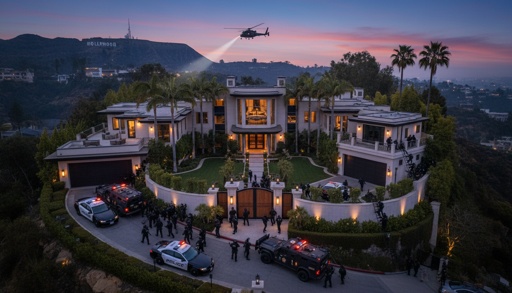
Federal authorities arrested Shamim Mafi at Los Angeles International Airport on April 18, 2026, as she prepared to board a flight to Istanbul. The 44-year-old Woodland Hills resident, a lawful permanent U.S. resident since 2016, faces charges under 50 U.S.C. § 1705 for brokering Iranian weapons without licenses. FBI’s Iran Counterintelligence Squad timed the takedown perfectly, suspecting evidence on her person and at her home. This operation underscores routine screening of high-risk travelers at LAX.
Mafi allegedly coordinated from California, leveraging frequent trips to Iran, Turkey, and Oman. She used Atlas International Business LLC, an Oman-based shell, to route payments via UAE and Turkey. Contacts included a Ministry of Intelligence and Security officer and Islamic Revolutionary Guard Corps figures. These ties reveal Iran’s strategy of embedding operatives in the U.S. diaspora to bypass sanctions rooted in the 1979 Revolution and post-9/11 laws.
Weapons Deals Fuel Sudan’s Bloody Civil War
Sudan’s Ministry of Defense bought Mohajer-6 armed drones—the same model Iran supplies to Russia in Ukraine—for $70.6 million. Mafi brokered 55,000 bomb fuses, 10 million AK-47 rounds, and a proposed 240 million more, plus assault weapons and bombs. Amid Sudan’s post-2023 RSF-SAF conflict, these arms prolong one of Africa’s deadliest wars. Some weapons originated from China, routed through Iranian networks, evading UN embargoes and U.S. restrictions.
Prosecutors detail WhatsApp exchanges where Mafi instructed small payments and Turkey-based exchanges. The 68-page complaint, unsealed April 19, outlines her role without required U.S. brokering licenses under the International Emergency Economic Powers Act. This case aligns with patterns of IRGC “shadow fleets” exporting via proxies, a tactic surging after the 2018 JCPOA withdrawal.
U.S. Enforcement Signals Zero Tolerance
First Assistant U.S. Attorney Bill Essayli announced the arrest on X April 19-20, stating Mafi trafficked arms for Iran’s government, facing 20 years. FBI affidavits note her admissions of MOIS contacts during CBP interviews. Her initial court appearance occurred April 20-21 in downtown Los Angeles federal court. Searches of her residence continue, with no co-conspirator arrests reported yet.
Common sense demands vigilance: granting residency in 2016 under looser policies enabled this alleged scheme. Facts show Iran’s MOIS and IRGC exploit such loopholes, threatening U.S. security. Conservative values prioritize border integrity and sanctions enforcement to protect Americans from regime-sponsored proliferation. Precedents like 2024 IRGC drone smuggling cases reinforce DOJ’s crackdown.
Iranian woman nabbed at LAX on charges of weapons trafficking for Islamic regimehttps://t.co/ZxtxLlvIaz
— MnMsBabom (@JustBabom) April 19, 2026
Short-term, this disrupts Sudan supplies and deters networks; long-term, it may shift IRGC routes to UAE proxies but bolsters U.S. credibility amid 2026 elections. Iranian expats face heightened scrutiny, while arms control tightens ITAR compliance. Mohajer-6 risks highlight nonproliferation urgency, blocking Iranian revenue and influence in Africa.