
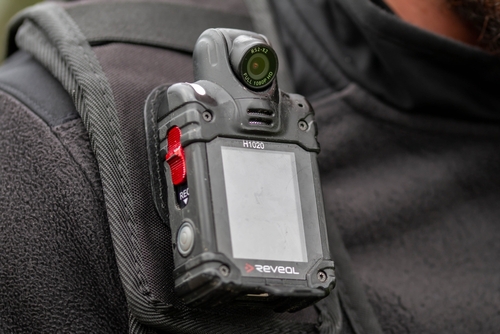
A D.C. court has forced Washington’s police to stop hiding January 6 bodycam videos behind bogus “privacy” claims, opening over 1,000 hours of raw footage to the American people.
Story Snapshot
- Judicial Watch won a major transparency ruling against the D.C. Metropolitan Police Department over January 6 bodycam footage.
- D.C. officials tried to charge more than $1.5 million and blur civilian faces and voices before releasing the videos.
- The court found any privacy interest is minimal and outweighed by the strong public interest in seeing what really happened.
- More than 1,600 bodycam videos, totaling roughly 1,000 hours, now document police actions and violence in key areas like the Capitol tunnel.
Judicial Watch Forces D.C. Police to Open Their Cameras
Judicial Watch, a conservative legal watchdog, filed a Freedom of Information Act lawsuit to obtain all body-worn camera footage from Washington, D.C. Metropolitan Police officers who responded to the January 6, 2021 protest at the U.S. Capitol. The group asked for all video from officer Michael Fanone and from every officer sent to the Capitol protests that day. Police first denied the request, claiming the footage was tied to ongoing investigations and would invade people’s privacy.
After years of stonewalling, city lawyers admitted there were more than 1,700 bodycam videos covering about 1,047 hours of footage. They said they would only release the videos if Judicial Watch paid roughly $1.57 million, charging $25 per minute to “edit and produce” the recordings. Judicial Watch President Tom Fitton called the price a political roadblock, arguing there was never a real reason to hide the videos from the public.
Court Rejects Broad Censorship and Blurring
The legal fight came to a head in early 2026, when a D.C. judge ruled that the Metropolitan Police Department cannot broadly blur or censor the faces and voices of non-officers in the January 6 bodycam footage. The court found that any privacy interest for individuals filmed at a public protest was “little more than de minimis,” meaning very small, and did not outweigh the strong public interest in disclosure. In plain terms, the judge said Americans have a right to see these videos without heavy redactions.
This ruling lines up with the Freedom of Information Act’s design, which allows agencies to protect private medical or financial data but does not treat faces seen in a public space as secret information. Judicial Watch argued that people at the Capitol protest were already visible to anyone nearby or in other videos from that day, so police could not claim a broad privacy shield. The court agreed, rejecting D.C.’s push to use privacy exemptions as a cover for hiding controversial footage.
What the 1,000 Hours of Video Can Show America
With the judge’s decision, Judicial Watch says D.C. Police must now produce more than 1,000 hours of bodycam footage from at least 1,627 videos, giving the public a much fuller view of the events at the Capitol. Earlier reviews of bodycam and court videos have shown intense clashes in the Capitol tunnel, where officers like Michael Fanone and Daniel Hodges were violently assaulted by rioters using sprays, fists, and makeshift weapons. Those scenes are critical to understanding both police actions and crowd behavior that day.
BREAKING🚨: The DC Metropolitan Police Department has released more than 1,000 hours of body-worn camera footage (1,630 videos) from January 6, 2021. The release follows a court ruling that rejected MPD's attempt to redact faces and voices across the footage, capping a FOIA fight… pic.twitter.com/Tv0ddtx6FP
— Bruce Forman (@Brucenewsreview) July 7, 2026
At the same time, other sources tell a wider story about January 6. The Committee on House Administration has already released about 5,000 hours of Capitol security footage, and journalist Steve Baker reports viewing more than 41,000 hours overall. Baker argues that only about 80 people engaged in actual violence, far fewer than some official claims. A bipartisan Senate report, by contrast, says around 140 officers suffered injuries during the riot. None of these numbers has yet been tied directly to a full forensic review of the new Judicial Watch videos.
Transparency Fight Goes Beyond January 6 Politics
This battle fits a larger pattern where government agencies try to use cost, privacy, or “law enforcement sensitivity” to keep records out of public view, and watchdogs sue to force disclosure. Under the Freedom of Information Act, agencies may withhold certain categories of information, but they carry the burden to prove why secrecy is needed. Courts often push back when officials claim broad harm without clear proof, especially when video shows government conduct in a major public event.
Judicial Watch has pursued related records from the United States Capitol Police, which is not fully covered by the Freedom of Information Act and has refused to release its internal security camera footage from January 6. That continued silence means the new D.C. bodycam trove, while huge, is still only one piece of the puzzle. The videos can help citizens judge how police and protesters behaved, test media narratives on all sides, and demand better answers from agencies that have kept key evidence hidden for years.
Sources:
thegatewaypundit.com, judicialwatch.org, youtube.com, apps.npr.org, facebook.com, cha.house.gov, npr.org, justsecurity.org