
As war drums beat in the Middle East, an Iranian national team quietly sets up camp in the Arizona desert under the watch of a distracted federal government.
Iran Picks Tucson Desert Oasis as World Cup Base
Iran’s men’s national soccer team has officially chosen Tucson’s Kino Sports Complex as its World Cup training base, with preparations set to begin in early June 2026. The squad will stay at the Westward Look Wyndham Grand Resort and Spa while commuting to group‑stage matches in Los Angeles and Seattle. Local coverage frames the move as a coup for regional sports tourism, presenting Tucson as an international hub even as the team represents a government locked in decades of confrontation with the United States.
Iran’s World Cup Training In Tucson Amid Ongoing US-Israel War Details: https://t.co/qwJLnP1Nq3 pic.twitter.com/V5Oomdby1e
— Complex Sports (@ComplexSports) May 13, 2026
FIFA first identified Kino as a potential base camp in December 2024, after years of investments in the facility and surrounding infrastructure. Pima County and partners such as FC Tucson, Visit Tucson, and the Southern Arizona Sports, Tourism & Film Authority spent late 2025 and early 2026 pitching the site to federations. Iran ultimately secured the slot, and if the team advances beyond the group stage, it could extend its Tucson stay through at least a Round of 32 appearance.
Local Leaders Sell Economic Gains, Avoid Geopolitics
Officials in Tucson and Pima County emphasize economic benefits and prestige rather than the geopolitical baggage Iran brings. Kino’s director has highlighted the chance to grow the complex’s reputation as an elite, multi‑sport venue after previously hosting World Baseball Classic qualifiers and professional teams. Tourism advocates see hotel bookings, restaurant traffic, and international media exposure. They describe the base camp as a victory for smart local investment, not a test of whether US communities should host representatives of an adversarial regime.
This framing aligns with a broader pattern: local and corporate stakeholders chase short‑term revenue while outsourcing security and moral questions to distant federal agencies and international bodies. Federal authorities will handle visas, background checks, and security coordination, but voters in southern Arizona are largely spectators to decisions made in FIFA boardrooms and Washington offices. For conservatives skeptical of globalism, the episode underscores how unelected organizations can shape life in American communities without meaningful public debate.
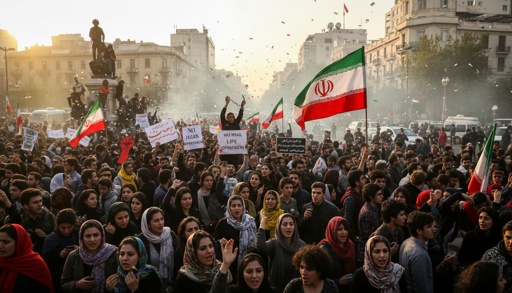
MASSIVE CROWDS at Tehran's Revolution Square SEND OFF Iran's national team to the WORLD CUP
'May the hand of GOD & the hand of IMAM ALI be with you' pic.twitter.com/HlVYbNgkKP
— RT (@RT_com) May 13, 2026
Sports Diplomacy Meets a Hard Reality of War and Sanctions
Iran and the United States have lacked formal diplomatic relations since the 1979 hostage crisis, and Washington continues to impose sweeping sanctions on Tehran for its nuclear ambitions and support for militant groups. At the same time, US policymakers acknowledge the value of keeping sports somewhat insulated from geopolitical disputes. Iranian teams have previously competed in US wrestling and soccer events, giving both sides limited channels of contact even when official relations remain frozen and tensions periodically spike in the Persian Gulf.
What makes this Tucson camp different is timing. Iran’s World Cup preparations unfold while Tehran funds and arms actors confronting Israel and, at times, US personnel across the region. Since the 2023 Hamas attack and ensuing war in Gaza, Iran has been widely described by US and Israeli officials as a primary backer of groups threatening Israeli civilians and American interests. Hosting Iran’s flagship national team on US soil now pushes sports diplomacy into far more sensitive territory, raising questions about where Americans should draw lines.
Security, Free Speech, and the Limits of “Just a Game”
Iran’s presence in Tucson will inevitably attract attention from security agencies and activist networks even if local media remain mostly focused on soccer. Homeland Security, the State Department, and the FBI are expected to monitor potential threats, from lone‑wolf extremists to foreign intelligence activity around the delegation. Pro‑Israel organizations, pro‑Palestinian activists, and Iranian dissident groups may view the training camp as a platform to protest, each with very different grievances but a common belief that policy elites are failing ordinary people.
For residents, this convergence raises practical concerns. Law‑abiding Arizonans will want assurance that local law enforcement can prevent protests from turning violent without trampling free‑speech rights. Conservatives who value strong borders and national sovereignty may question why an adversarial regime’s representatives receive extensive protection while the southern border remains porous. The contrast between strict security for foreign elites and everyday insecurity at home feeds the perception that Washington’s priorities are badly misaligned with citizens’ safety.
What Tucson’s World Cup Deal Reveals About American Leadership
At one level, Iran’s camp in Tucson is a straightforward sports story: a desert city parlayed years of investment into a World Cup opportunity. At a deeper level, it highlights how disconnected global decision‑making has become from public sentiment. FIFA assigns teams based on logistics and commercial interests, not American security debates. Local leaders pursue visitor spending, not foreign‑policy clarity. Federal agencies handle risks in the background, while voters watch from a distance and wonder who, exactly, is accountable if something goes wrong.
For many on both the right and left who already doubt the judgment of political and corporate elites, the situation feels familiar. Whether the issue is border control, energy policy, or foreign entanglements, ordinary Americans see an insulated class making high‑stakes choices with limited transparency or input. Iran’s World Cup camp in Tucson will likely proceed smoothly. But the uneasy mix of sports, war, and global bureaucracy serves as another reminder that citizens must stay vigilant, ask hard questions, and insist that their leaders put American security and principles first.
Sources:
Iran selects Tucson for 2026 World Cup training
Iranian national soccer team to train for FIFA World Cup in Tucson