
Nine people were shot during Raleigh’s July 4 “teen takeover,” and now city leaders are weighing a youth curfew that could reshape nightly life for families and businesses alike.
Story Highlights
- Raleigh leaders are considering a curfew for ages 17 and under after nine people were shot.
- Police reported massive teen crowds at Brier Creek and Glenwood South during the incidents.
- Research shows mixed results on whether curfews reduce youth crime.
- Council will discuss details as police roll out a broader summer safety plan.
City Leaders Float Curfew After Violent Holiday Weekend
Raleigh Mayor Janet Cowell said the city may adopt a youth curfew for those 17 and under after a chaotic July 4 weekend. Police said nine people were shot in three locations linked to “teen takeover” gatherings across the city. The mayor said city leadership will explore options at the next council meeting and noted other North Carolina cities have tried curfews. She thanked officers for their quick response and called for work with parents, schools, and local groups.
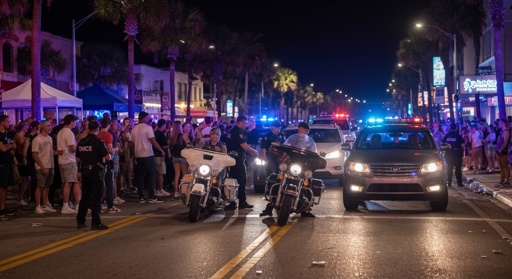
Police estimates placed about 3,000 teens in Brier Creek and about 5,000 in Glenwood South that night, straining crowd control and nightlife security. The News and Observer reported the city is reviewing a curfew model used elsewhere in the state and outlined common exemptions, such as travel to work, being with a parent, emergencies, or protected speech events. The paper also cited a federal review that found mixed evidence on curfew effectiveness.
Facts On The Ground: What Happened And Where
Raleigh police tied three separate shootings to the July 4 gatherings at Brier Creek, Glenwood South, and Capital Boulevard. The agency confirmed nine total gunshot victims across those scenes. Video reports and police briefings framed the events as teen-driven, with fights, large moving crowds, and flashpoints outside businesses. The official tally of the victims and scenes gives city leaders a concrete public safety trigger to consider time, place, and manner limits for minors.
City staff pointed to steps already underway that go beyond a curfew. The Raleigh Police Department’s 2026 Summer Action Plan targets violent offenders, repeat crime, reckless driving, and juvenile crime. The plan also expands youth engagement, like Hoop Nights, cadet programs, and mentoring, to keep kids busy and build trust with officers. The focus mixes enforcement with outreach and aims to improve quality of life across neighborhoods during the busy summer months.
Curfews: What The Research And Other Cities Show
State law lets cities and counties set curfews for those under 18, and many do, often with listed exceptions. But the research picture is not simple. A federal review by the Office of Juvenile Justice and Delinquency Prevention described mixed results on whether curfews cut youth crime. Some studies found small drops in certain arrests, while others found no change or even shifts in crime to other hours. Critics argue curfews can be applied unfairly.
Civil rights and youth groups have warned that curfews can sweep up many law-abiding teens for the actions of a few. Some localities that enacted curfews have later added guardrails or sunsets. In Washington, District of Columbia, one council member backed a sunset clause and limited police handling for simple curfew stops, to avoid criminalizing kids and to force a review of outcomes before extending the law again. Raleigh leaders will likely face similar calls to include clear exemptions, data reporting, and a review date.
Conservative Lens: Order, Rights, And Real Results
Raleigh’s job now is to stop violence without punishing families who raise responsible kids. Nine shooting victims create a duty to act, but the action must work. City leaders should set firm rules for bad actors and hold parents of repeat offenders to account. At the same time, any curfew should be narrow, temporary, and paired with tough enforcement against actual crimes, not blanket penalties that risk chilling First Amendment rights or lawful work travel by teens.
Raleigh mayor considers youth curfew following teen takeover, violent July 4th weekend https://t.co/TjjfIAnTd3 #FoxNews
— Ted Rorrer (@tedrorrer) July 7, 2026
Conservatives should press for proof. The council should require a public report on enforcement costs, victim and offender ages, and crime trends before and after any curfew window. The Raleigh Police Department’s summer plan already targets the right people: violent offenders and chronic troublemakers. If a curfew is added, it should be a tool, not the backbone. The backbone is focused policing, swift charges for violence, and visible patrols that protect businesses, families, and the Constitution.
Sources:
nypost.com, wral.com, newsobserver.com, raleighnc.gov, facebook.com